
 Account
 My Cart
 Back
Back
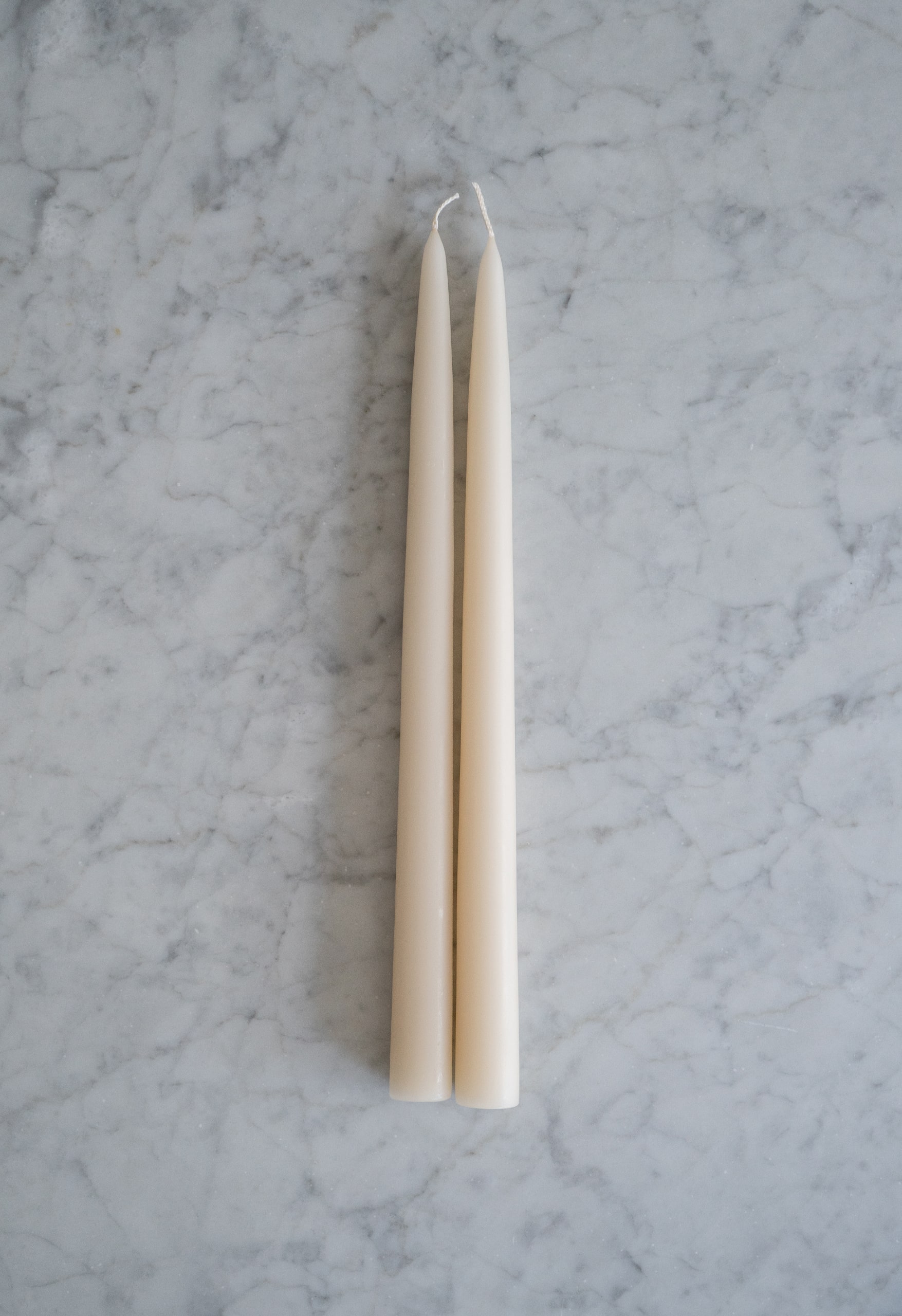
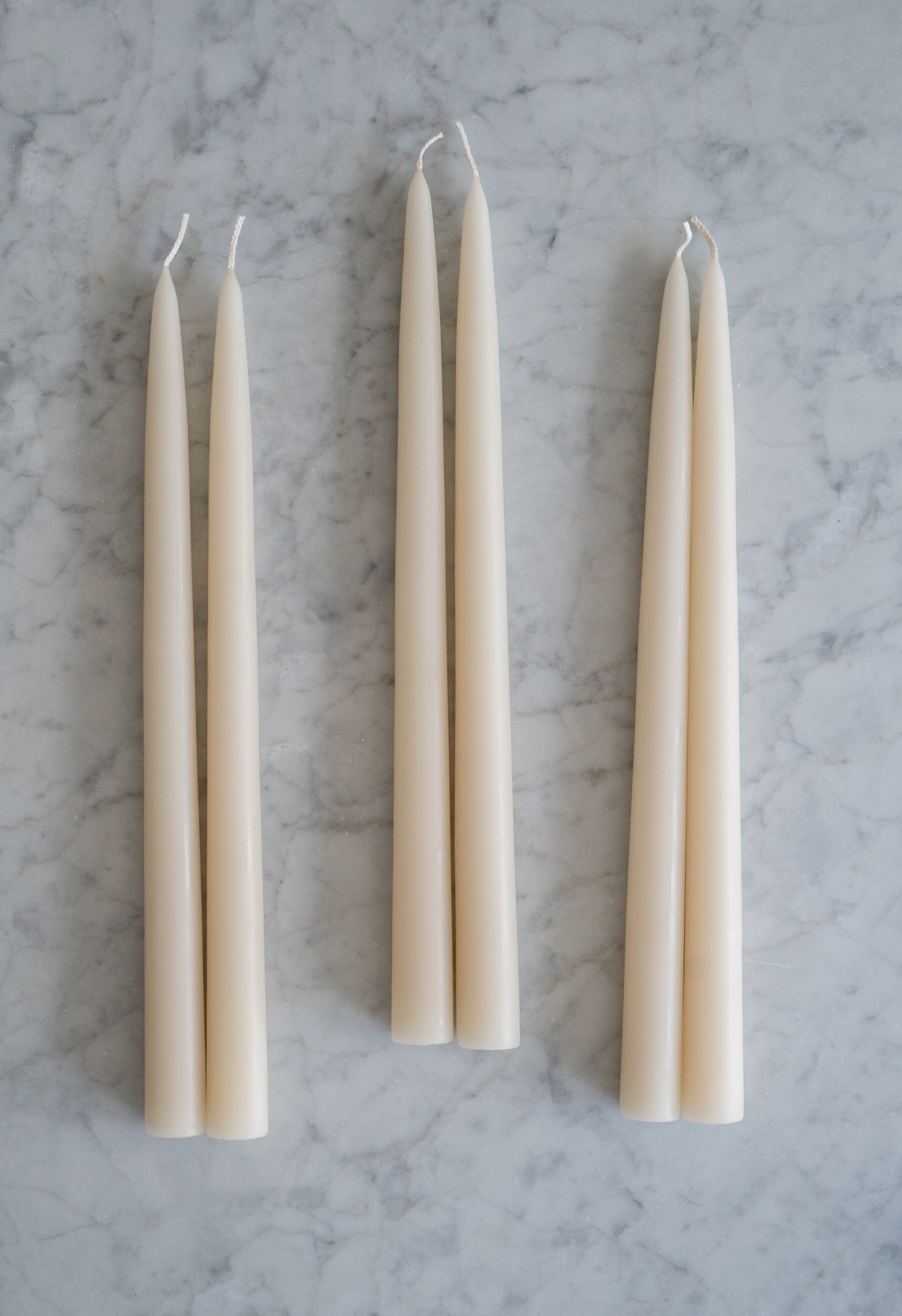


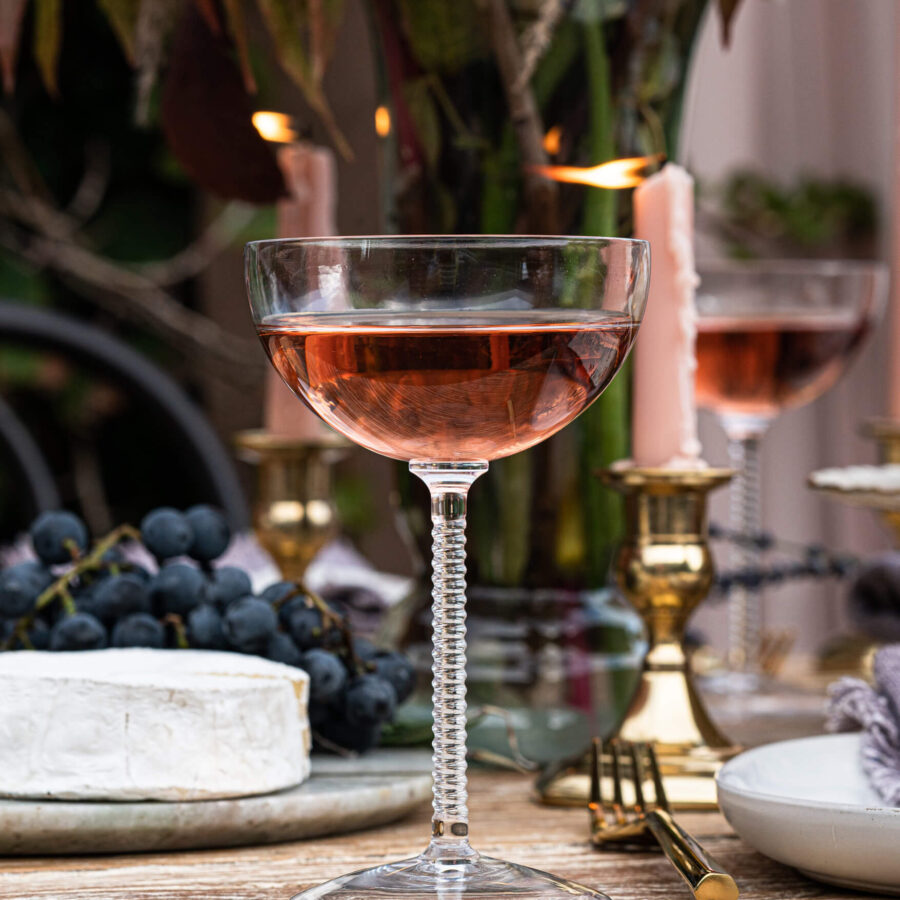
Dipped Taper Candles 12″, Set of 2 – Parchment Color
Original price was: $18.00.$11.25Current price is: $11.25.
Order Your Dipped Taper Candles Today!
These taper candles borrow their hue from blooms and shifting tones of seasons.
In stock
Estimated shipping 5-7 Days
These taper candles are a beautiful, off white color. Crafted to burn drip-free at a rate of approximately 1 hour per inch. Each candle is dipped 35 times for a superior depth of color, and pairs are joined by a braided cotton wick for the cleanest burn.
Each dipped taper candle has approximately a ⅞ ” standard base. Please note due to the dipped nature of the candles, there may be a slight variance in the width of the base.

Sold in:
Sets of 2

Material:
Paraffin Wax

Color:
Parchment

Made in:
United States
Dimensions: 12” L; ⅞” Standard Base
Weight: 4.5 oz per set of 2
Care: Trim Wick
We offer ground shipping to 48 states within the continental U.S. (excluding Alaska and Hawaii) and Puerto Rico.
Shop is closing. All sales are final.
Please visit our FAQ page for more information on shipping and returns.
Love + Reviews
3 reviews for Dipped Taper Candles 12″, Set of 2 – Parchment Color
FOLLOW OUR INSTAGRAM @ENDLESSLYELATED
Puerto Rican food doesn’t have to look a certain way, be made in a certain place, or meet anyone else’s standards to be completely ours. It’s ours because it’s ours. ❤️

Growing up, habichuelas were so ordinary to me that I never thought to question their history. In my family, it was usually pink beans, stewed and served alongside white rice, and that was simply dinner. But the more I study Puerto Rican food, the more I realize that some of our most familiar dishes hold the most complicated stories. There’s something deeply unsettling about learning that a food so central to how we eat has remained constant, while our ability to grow it ourselves has changed so dramatically. My hope is that one day, this story begins to reverse itself, and Puerto Rico can once again grow far more of the beans it consumes.
Sources + further reading:
Cruz Miguel Ortíz Cuadra, Eating Puerto Rico: A History of Food, Culture, and Identity, Chapter 2, “Beans.”
Beaver et al., “Contributions in Puerto Rico to Bean, Phaseolus spp., Research,” Journal of Agriculture of the University of Puerto Rico.
University of Puerto Rico Agricultural Extension Service, Manual de la Producción de Habichuelas.
USDA National Agricultural Statistics Service, 2022 Census of Agriculture: Puerto Rico, dry-bean data.
When my mom passed, I lost more than just her. I lost many of her recipes, which only existed because she was around to cook them. I took for granted that she’d always be a phone call away and that I could simply ask, “Mami, cómo se hace [insert dish]?”
After her passing, I remember going back to Puerto Rico, completely lost, in search of something that would bring me closer to her. It was then that I realized Puerto Rican food had completely changed for me. It was no longer just the food I grew up with, but rather the food I was desperately trying to preserve. I found myself asking questions I wish I had asked sooner, sitting with my grandma and aunt, comparing versions, testing recipes, and trying to rebuild what was never written down.
So when I say, “make sure you notice,” I mean it literally.
Sometimes we don’t realize how much something matters until we are suddenly trying to find our way back to it.
[First image is AI-generated using my likeness. All food imagery is original photography.]
The more I study Puerto Rican food, the more I realize how much of our culinary history can disappear if we only talk about the dishes that have become “our greatest hits.” Note: this is a diaspora kid talking. This isn’t to imply that they are not spoken about in Puerto Rico.
But for me, Funche is a perfect example. For generations, it was an important cornmeal dish, particularly among Puerto Rico’s less advantaged families. But after World War II, cornmeal increasingly became associated with poverty, while new cereals and flour products entered the Puerto Rican diet. Over time, funche has seemingly become less common. And while the foods that become iconic tell us something about who we are, so do the ones that are rarely mentioned or, better said, that I rarely hear about.
So when I say Puerto Rican food is far too complex to live in the shadows of a few famous recipes, I don’t mean those classics deserve any less attention. I just mean that our understanding of Puerto Rican food deserves to reflect its full breadth.
For me, learning about dishes like funche, gandinga, almojábanas, and so many others gives me a fuller picture of Puerto Rico. Its regions, its people, its economic realities, and the generations of cooking that existed long before any dish became a “greatest hit.”



Wilfred –
licencované sloty online zdarma bonus (Wilfred) casino