
 Account
 My Cart
 Back
Back
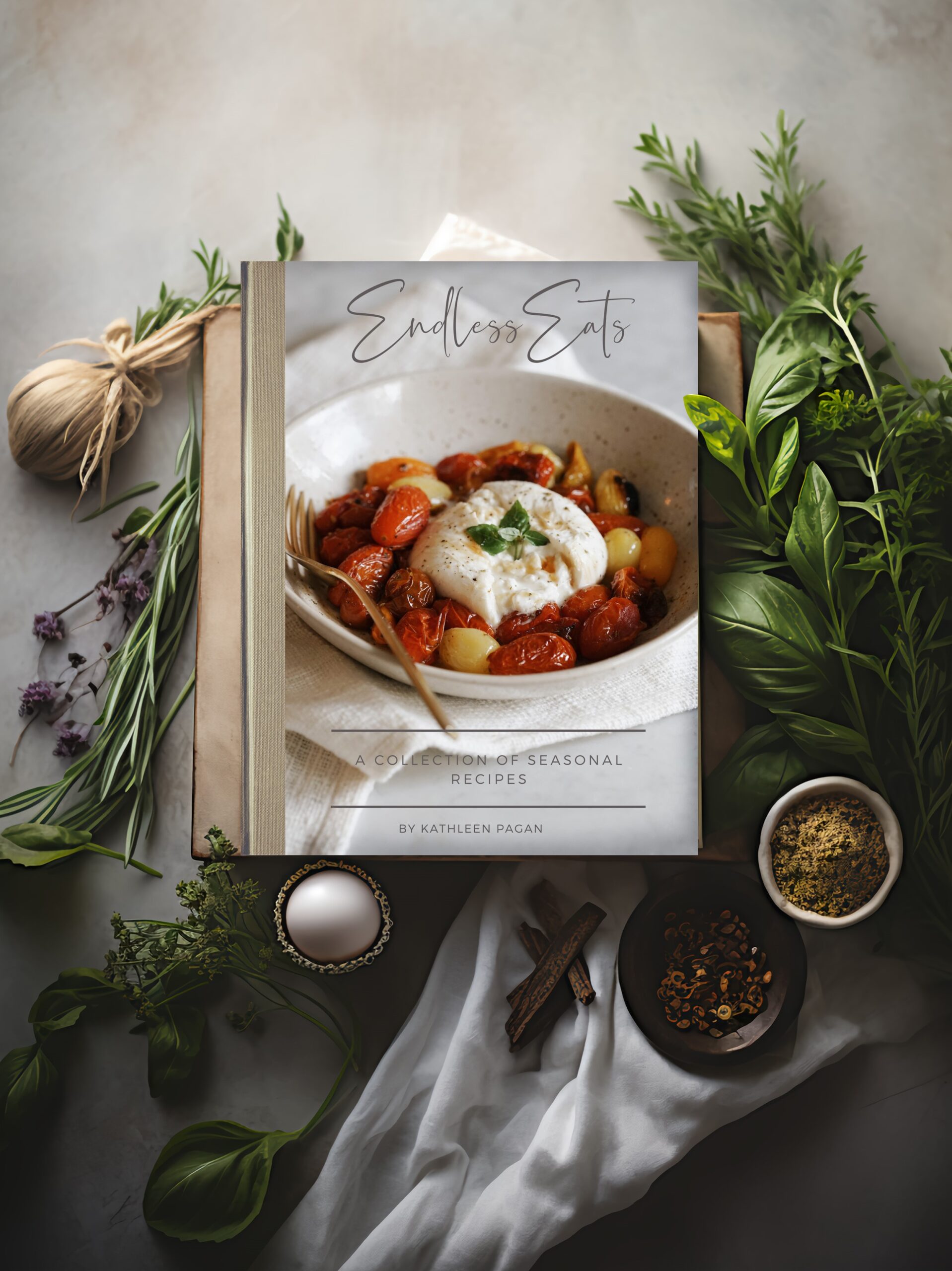
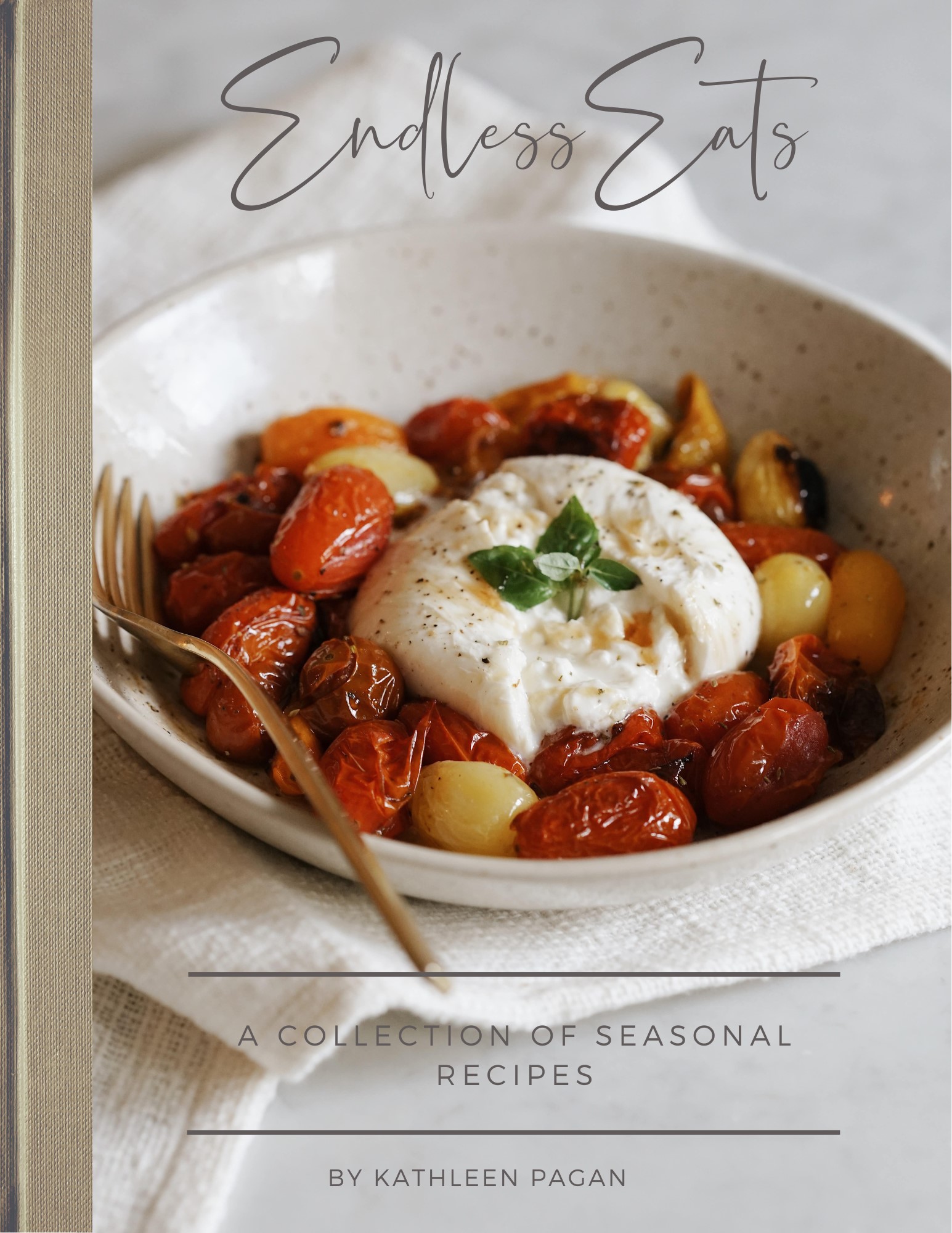




Digital Cookbook – A Collection of Seasonal Recipes
$11.00
Order Your Digital Cookbook Today!
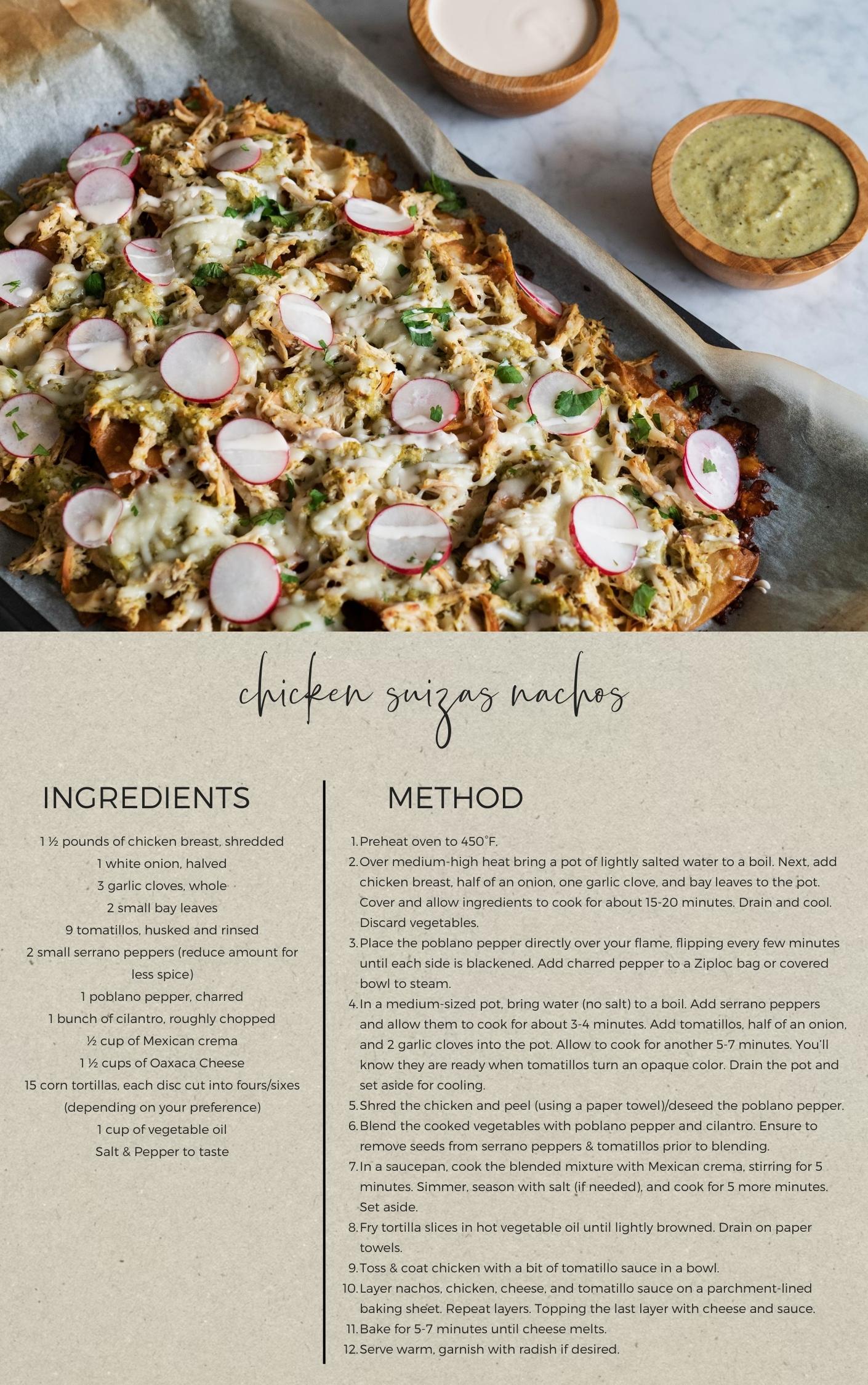
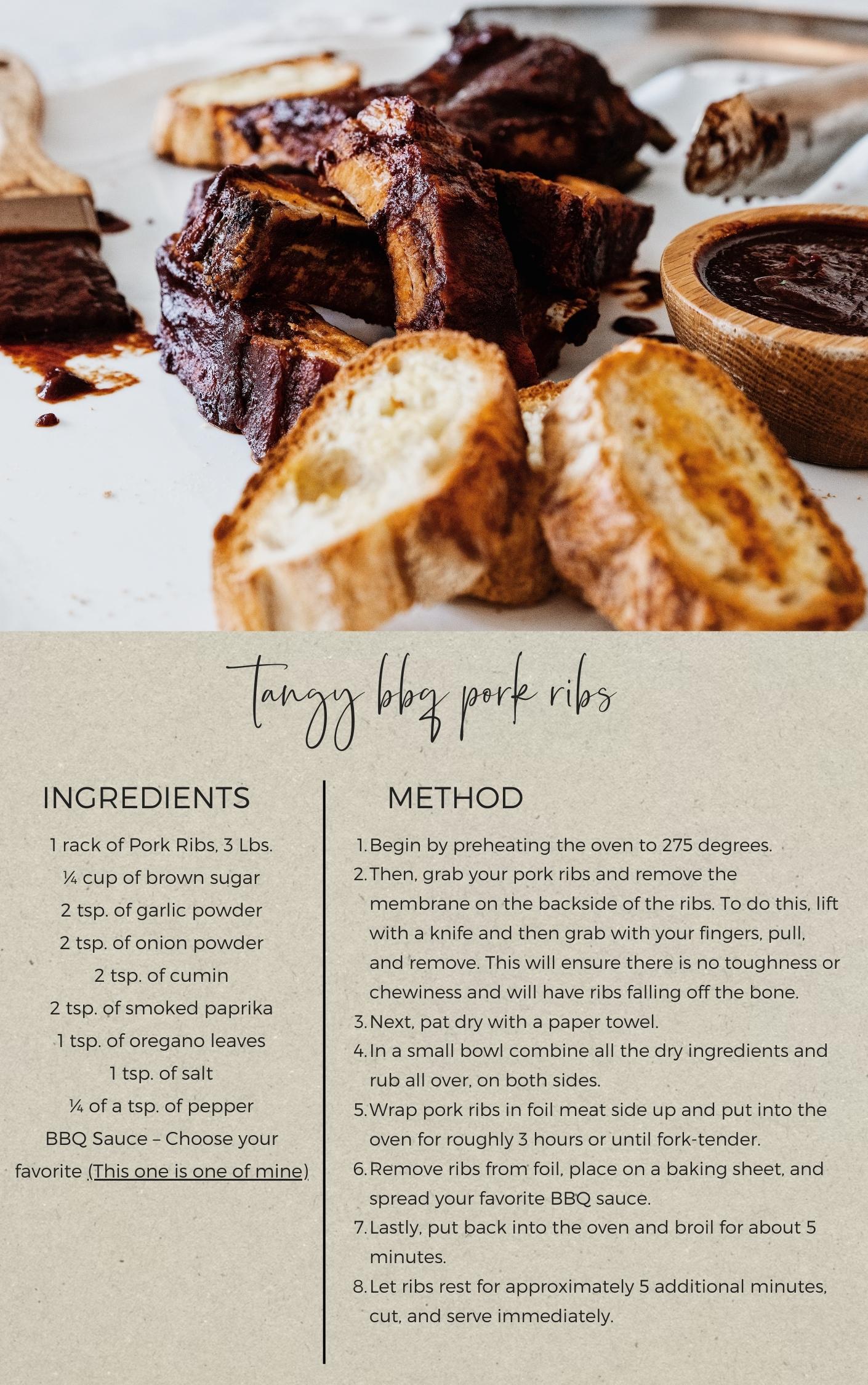
Embrace the essence of each season with our ultimate digital cookbook, boasting 20+ recipes inspired by the finest seasonal ingredients. Elevate your hosting game effortlessly with two comprehensive checklists for cooking and entertaining, four handpicked playlists curated for every season, and a thoughtfully curated shop catering to all your cooking and entertaining needs. Your go-to all-in-one cookbook, from delicious cooking to seamless entertaining.
In stock
Indulge in the flavors of every season with our curated digital cookbook. A collection of seasonal recipes by Kathleen Pagan. This digital cookbook is teeming with seasonal recipes, expert tips, entertaining playlists and seamless checklists. All complemented by a thoughtfully curated shop catering to the perfect hostess experience.

Method:
Download

Type:
E-Book

Category:
Cookbook
File Size: 56MB
Languages: English
This is a digital download PDF cookbook.
Due to the digital nature of this product, all sales are final therefore no refunds, exchanges or cancellations can be offered. There are no returns when purchasing a digital download.
This digital product for personal use ONLY. You may not, sell or distribute the original files nor use any portion for resale.
Love + Reviews
9 reviews for Digital Cookbook – A Collection of Seasonal Recipes
FOLLOW OUR INSTAGRAM @ENDLESSLYELATED
Respectfully, let the record reflect. @netflix we are ready.

As I continue recipe testing for my cookbook, I landed on Bacalao Guisado con Viandas this week. A dish that unexpectedly reminded me why this work has become so much bigger than simply documenting my mom’s traditional Puerto Rican recipes.
Yes, that’s still the goal, but what I’ve realized is how deeply my own perspective, project, and understanding of our food has expanded. The deeper I go, the more I recognize the wisdom built into the food I grew up eating. The intricate steps that a seemingly modest dish requires.
Particularly with this one, I took note of the soaking. The desalting. The gentle, precise simmer that kept the fish from falling apart.
None of it accidental. All of it intentional. And while I inherently knew this, it has become much more evident to me now.
You see, I’m not simply following written instructions as I test these recipes. Instead, I’m learning to meticulously gather what remains.
It has become a meditative process of testing, adjusting, and trying again. Sitting with my family, asking the questions, and listening for even the smallest details. Comparing what one person remembers with what another person does, then holding all of it against the way my own palate remembers it.
Which then leads me to the broader landscape, where I find myself asking: Where did these ingredients come from? Is there documentation of when this dish came to be? Do we know how it has evolved, or whether it has evolved at all?
What started as a way to recover my mom’s recipes after her passing has become a way to understand the overarching narrative around them. The rich history inside these dishes. The quiet intelligence of our food.
So today, I’m sharing this version as I continue the work.
A plate of Bacalao Guisado con Viandas, as a reminder that Puerto Rican cooking does not have to look elaborate to be worth paying attention to.
To know me is to know I reflect deeply on things that capture my interest. Lately, I’ve been thinking a lot about the language used around Puerto Rican cooking. The terms we often hear from food media, culinary institutions, and broader food culture.
And it doesn’t get lost on me: the contrast that becomes evident when certain cuisines are granted the vocabulary of discipline and refined craft. Yet, as I examine my own culture and the broader ethnic foods category, that same language is rarely granted. Not never, just not often.
Instead, Puerto Rican food is softened into cooking with instinct, comfort, tradition, even love. And while those are beautiful and certainly part of our story, if they become the primary words used to describe our cooking, what does that do to the precise techniques behind it?
It is without question that our food requires command of the very things used to describe others. It is pure mastery. So, for me, it’s about becoming more exacting in the way I speak about it. More willing to name the intelligence inside the food, not just the feeling it gives me.
Sources / further reading:
Othering and Low Status Framing of Immigrant Cuisines in US Restaurant Reviews and Large Language Models, Yiwei Luo, Kristina Gligorić, and Dan Jurafsky
The Ethnic Restaurateur: The Taste of Migration, Krishnendu Ray
It’s time to fire up the grill, especially for this holiday weekend, and make the kind of summer dinner that feels elevated without being overcomplicated. These lamb chops are marinated with olive oil, garlic, rosemary, thyme, and spices. Then grilled until charred, juicy, and full of flavor. Save the recipe for you. Share with someone who, like us, knows hosting is in the details.
Herb-Marinated Grilled Lamb Chops with Herbs & Spices
Ingredients:
8 lamb chops, about 1-inch thick
3 tablespoons olive oil
2 cloves garlic, minced
2 tablespoons fresh rosemary, finely chopped
2 tablespoons fresh thyme, finely chopped
1 teaspoon dried oregano
1 teaspoon paprika
Zest and juice of ½ lemon
Salt and pepper, to taste
Method:
In a bowl, combine the olive oil, garlic, rosemary, thyme, oregano, paprika, lemon zest, lemon juice, salt, and pepper.
Place the lamb chops in a shallow dish or resealable bag and pour the marinade over them, making sure each chop is well coated.
Cover the dish or seal the bag, then refrigerate for at least 2 hours, or preferably overnight.
Preheat your grill to medium-high heat.
Remove the lamb chops from the marinade, shaking off any excess, and let them sit at room temperature for about 15 minutes.
Grill for about 3–4 minutes per side, depending on thickness, until the lamb chops reach an internal temperature of 145°F.
Remove from the grill and let rest for 3 minutes before serving.
Finish with a squeeze of fresh lemon juice and a sprinkle of fresh herbs, if desired.






sos_apOn –
Как seo оптимизация сайта работает для мультиязычных проектов?