
 Account
 My Cart
 Back
Back
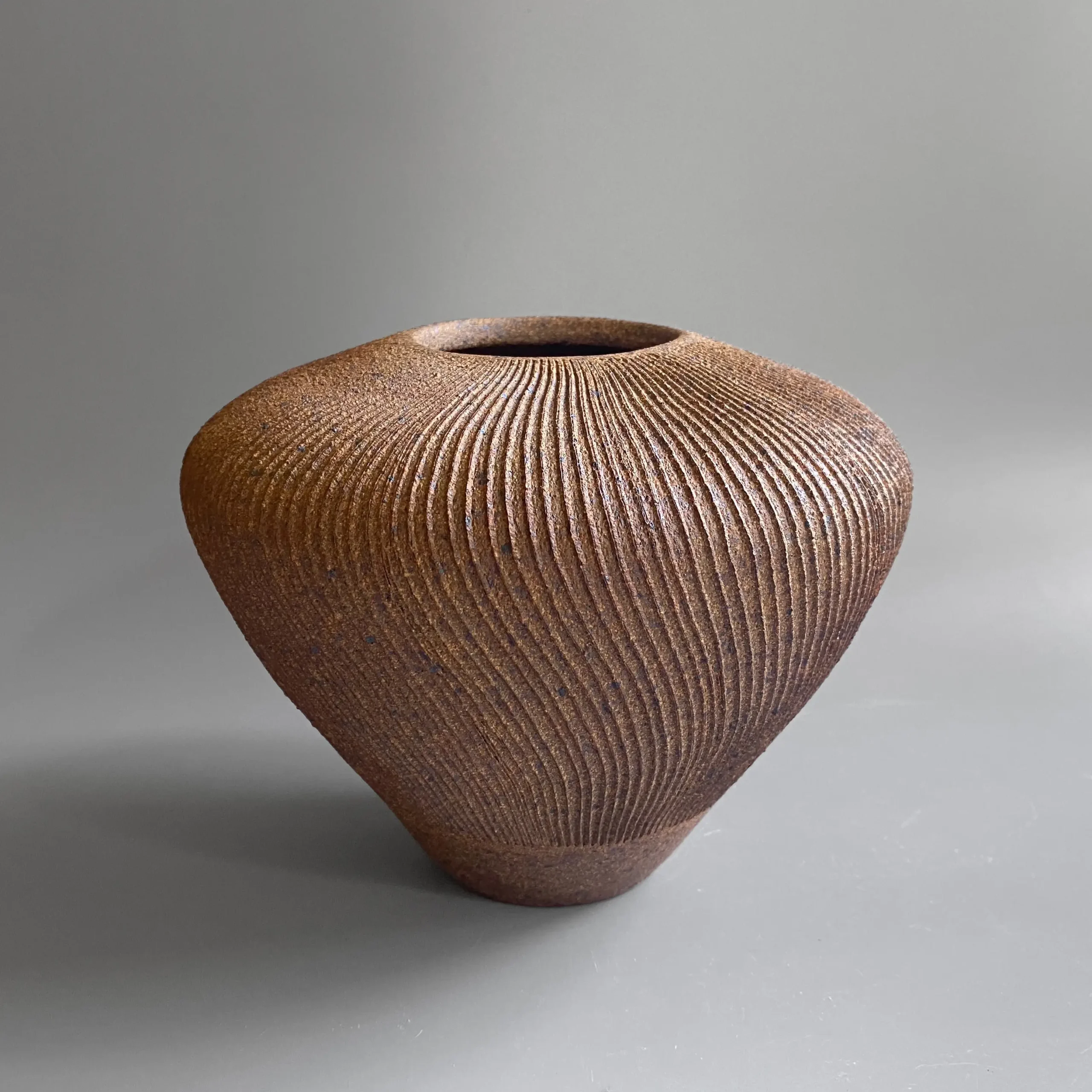
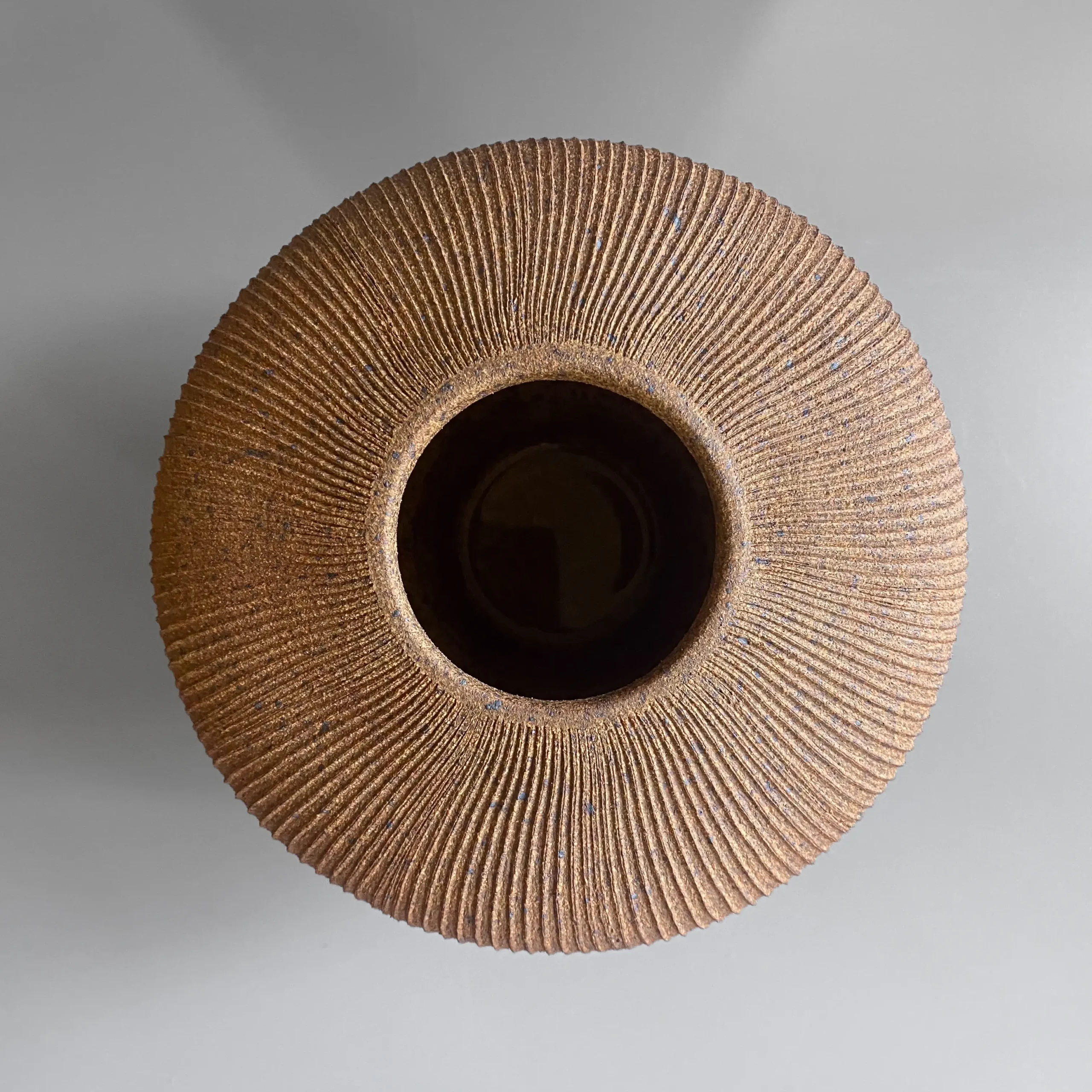


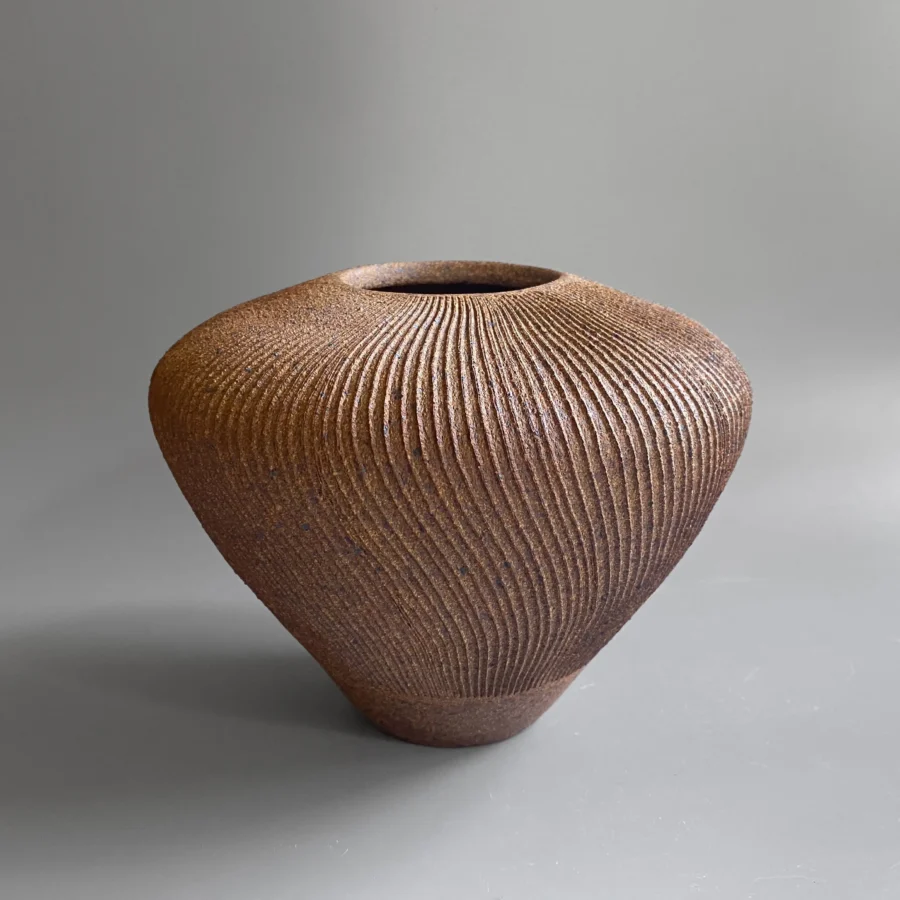
Sandstone Vase
$187.00
Order Your Sandstone Vase Today!
Our Sandstone Vase is a beautiful object made of artistry and craftsmanship. This one-of-a-kind, made-to-order vase, created of premium sandstone clay, is meticulously handcrafted by a talented artist in the heart of California. It is the perfect addition to any home.
In stock
Estimated shipping 5-7 Days
Crafted from premium sandstone clay, this vase boasts a stunning raw ceramic exterior, providing a textured and a natural feel. Due to its handcrafted nature, the color palette ranges from sandy beige to a captivating light reddish-brown. Each piece is one-of-a-kind, with subtle variations that add to its character and uniqueness. No two pieces are exactly the same.

Color:
Sandy Beige to Reddish Brown

Material:
Sandstone

Made in:
United States
Each vase may vary slightly in size and color due to its handcrafted nature.
Dimensions: 8” W x 6”H
Weight: 5lbs (80oz)
Care: Water Safe. Hand-Wash
We offer ground shipping to 48 states within the continental U.S. (excluding Alaska and Hawaii) and Puerto Rico.
Commitment is scary, so we always take returns. We’re confident you will love your purchase, but if you are unsatisfied for any reason, we offer no-fear returns. You can return your undamaged order (unless damaged upon arrival) for a full refund, 365 days a year, no questions asked.
Please visit our FAQ page for more information on shipping and returns.
Love + Reviews
12 reviews for Sandstone Vase
FOLLOW OUR INSTAGRAM @ENDLESSLYELATED
Some things are just facts. All of these are not kinda chic, but ultra chic. And of course, pegao is a delicacy. ❤️

A full day of recipe testing can look different each time.
Some days, this work looks like hours of cooking, tasting, adjusting, writing everything down, and starting all over again. Other days, I get it right on the first try and feel the purest sense of accomplishment.
Recovering my mom’s recipes can be exhilarating and debilitating in the same breath. The work feels deeply meaningful, yet every test is also a reminder that I can no longer call her, ask one more question, or ever taste her exact version again.
But no matter what, I get back in the kitchen to do the work. With every recipe I recover, I can only summarize that I come a little closer to understanding what she knew by instinct and, in some small way, the conversation between us continues. 🥹
The Puerto Rican edition to this trend. I know this list isn’t finished. Any that you’ve heard not listed here?
Oh, just in case - Pegao is not simply burnt rice. It’s the crispy layer formed at the bottom of the caldero, not the “I forgot the stove was on” and it went too far. On that note, a caldero is not interchangeable with any pot. Don’t ask me, just ask every abuelita to ever exist. Recao is not another name for cilantro. They are different herbs. And of course, coquito and pasteles carry their own ingredients and traditions. Equally as delicious as eggnog or tamales, but definitely different.
One of my favorite things about going out to eat is discovering a dish that makes me wonder how it was made and sends me back into my own kitchen to try a version of it.
On one of my visits to Puerto Rico, my cousins and I went to BACOA Finca + Fogón (@bacoapr) Among everything we ate, their gandules hummus immediately caught my attention. It was familiar and unexpected at the same time. An ingredient I have known my whole life, presented in a way I had never experienced before.
I loved it so much that I officially tried making my own version at home. Here it is, completely inspired by that first taste at BACOA.
Keep this one close and give it a try. Of course, if you ever find yourself in Puerto Rico, make your way to BACOA to taste the dish that inspired this one.


ksp_hset –
Реально ли комплексное seo продвижение сайта для бюджета до 30 тысяч рублей в месяц?