
 Account
 My Cart
 Back
Back

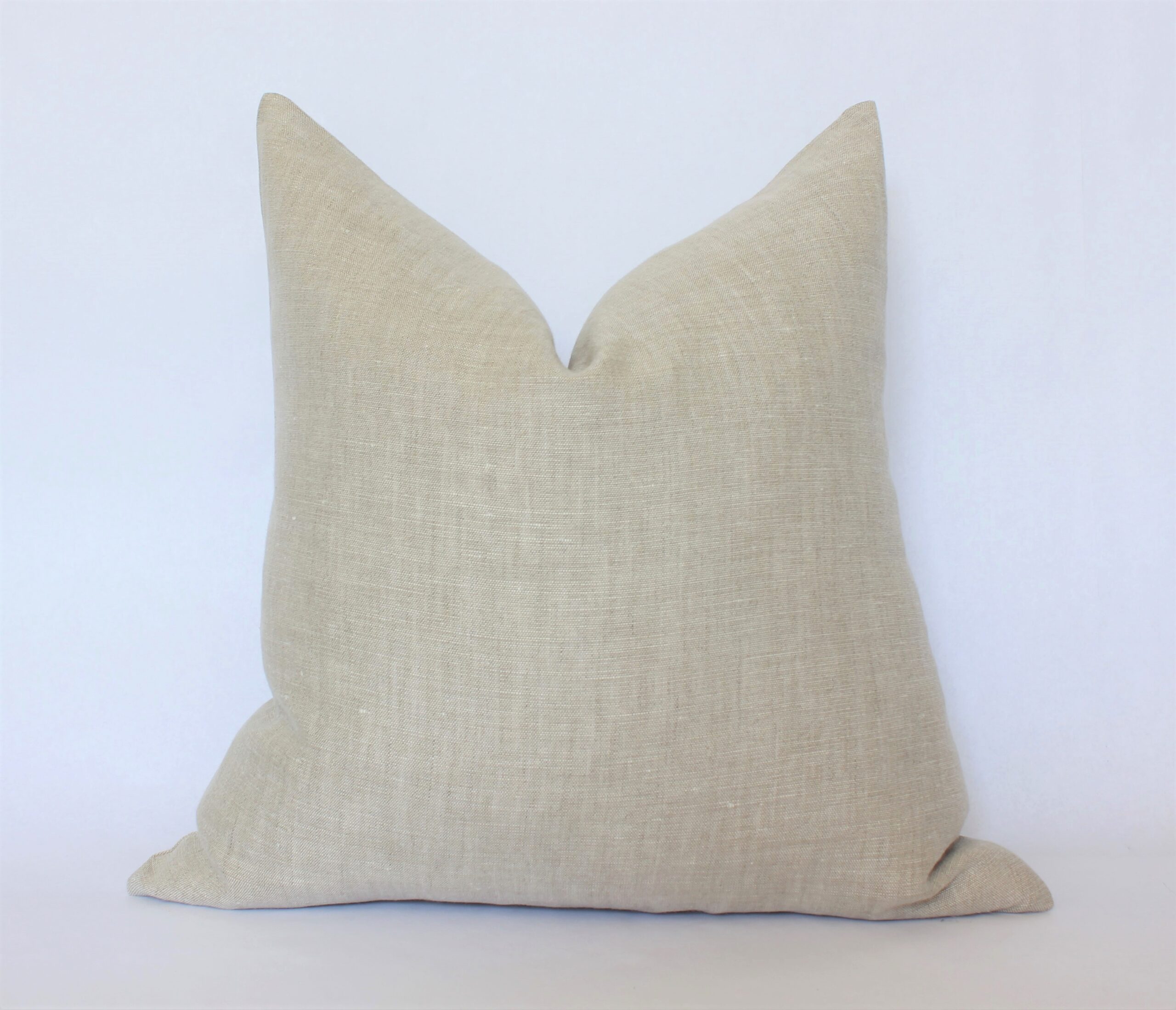


Linen Throw Pillow, Beige
$106.00
Order Your Linen Throw Pillow Today!
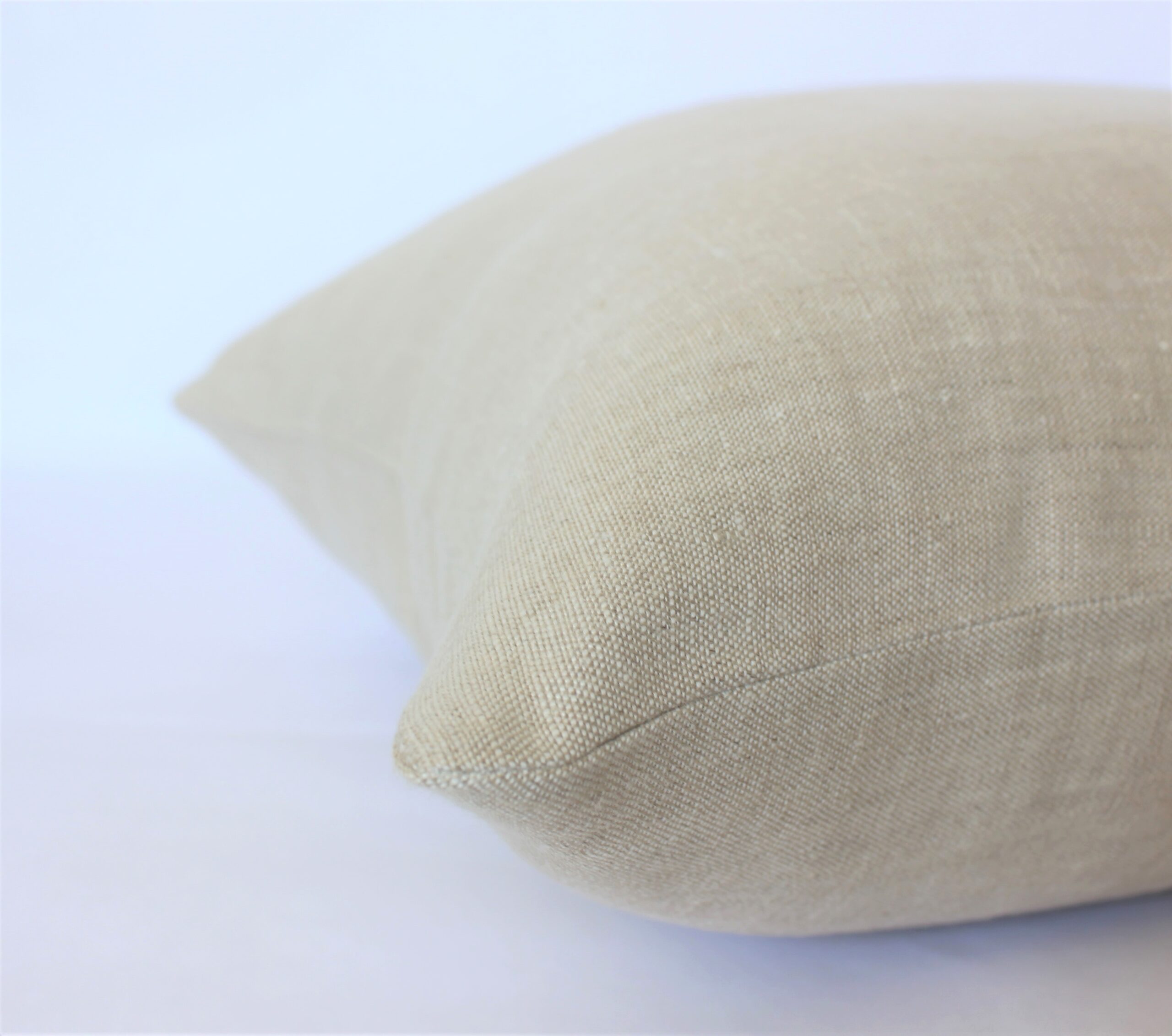
Introducing our Linen Throw Pillow in a beige, neutral oatmeal color. Handcrafted, in the United States, from 100% linen, this decorative pillow seamlessly blends into any interior style.
In stock (can be backordered)
Estimated shipping 5-7 Days
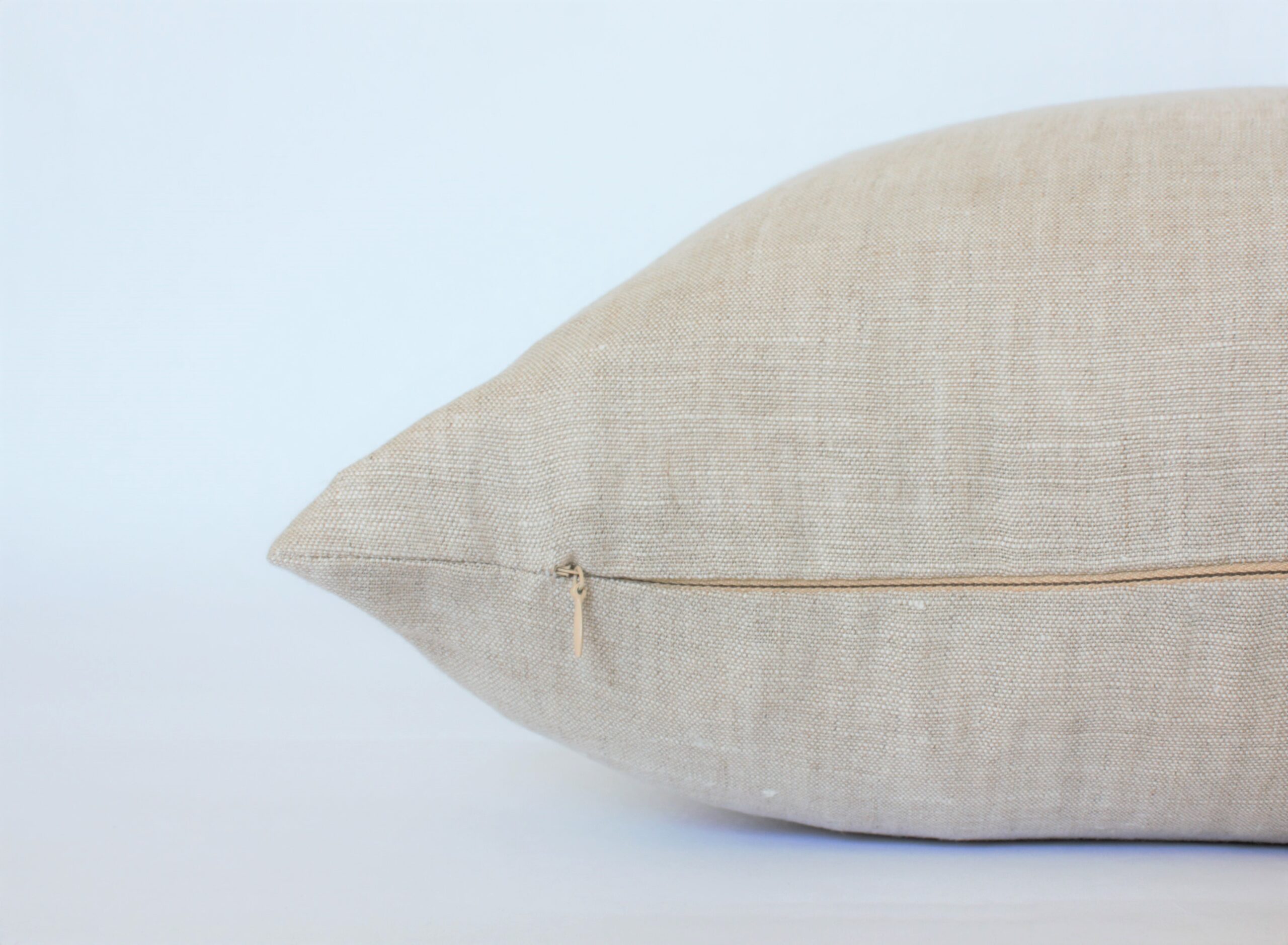
Handcrafted, in the U.S. from 100% linen. Additionally, the seamless zipper within the design ensures a polished appearance.

Color:
Beige

Made In:
United States

Manufactured
Handcrafted
Down Feather Pillow Insert Included
Dimensions: 20" x 20"
Weight: 2lbs 11 oz
We offer ground shipping to 48 states within the continental U.S. (excluding Alaska and Hawaii) and Puerto Rico.
Commitment is scary, so we always take returns. We’re confident you will love your purchase, but if you are unsatisfied for any reason, we offer no-fear returns. You can return your undamaged order (unless damaged upon arrival) for a full refund, 365 days a year, no questions asked.
Please visit our FAQ page for more information on shipping and returns.
Love + Reviews
1 review for Linen Throw Pillow, Beige
FOLLOW OUR INSTAGRAM @ENDLESSLYELATED
Today would have been my mom’s birthday. And somehow, it is also the day I am finally sharing the hardest decision I have made in this business.
When she passed, I believed I was simply trying to recover the recipes I had lost with her. I did not know that every dish, every question, and every conversation with my family would keep opening the work outward until it reached Puerto Rico as a whole. Its food, its history, its politics, and the distance between the island and those of us raised away from it.
For months, I tried to hold on to the version of Endlessly Elated I already knew while making room for the work I could no longer turn away from. But this work has asked for more than a corner of the brand. It has asked for all of me.
So today, I am closing Endlessly Elated as a lifestyle brand. The years that have come before mean more to me than I can express. The design, the shop, the homes, the recipes, and every chapter we built together were part of the path. But this next chapter belongs fully to Puerto Rico and to keeping the thread between its kitchens and the rest of us from thinning.
There is something about sharing this on her birthday that feels like more than a coincidence. I’d like to believe it’s a little wink from heaven.
Happy birthday, Mom. I went looking for your recipes, and somehow they led me here.
I shared the full story in today’s Substack letter. It is linked in my bio. ❤️

Some things are just facts. All of these are not kinda chic, but ultra chic. And of course, pegao is a delicacy. ❤️
A full day of recipe testing can look different each time.
Some days, this work looks like hours of cooking, tasting, adjusting, writing everything down, and starting all over again. Other days, I get it right on the first try and feel the purest sense of accomplishment.
Recovering my mom’s recipes can be exhilarating and debilitating in the same breath. The work feels deeply meaningful, yet every test is also a reminder that I can no longer call her, ask one more question, or ever taste her exact version again.
But no matter what, I get back in the kitchen to do the work. With every recipe I recover, I can only summarize that I come a little closer to understanding what she knew by instinct and, in some small way, the conversation between us continues. 🥹
The Puerto Rican edition to this trend. I know this list isn’t finished. Any that you’ve heard not listed here?
Oh, just in case - Pegao is not simply burnt rice. It’s the crispy layer formed at the bottom of the caldero, not the “I forgot the stove was on” and it went too far. On that note, a caldero is not interchangeable with any pot. Don’t ask me, just ask every abuelita to ever exist. Recao is not another name for cilantro. They are different herbs. And of course, coquito and pasteles carry their own ingredients and traditions. Equally as delicious as eggnog or tamales, but definitely different.



💰 Transaction 236,538 $. GET > graph.org/BALANCE-3682444-USD-04-21-2?hs=1e7162ad66767d11adb69312b61833d5& 💰 –
rm0pfb